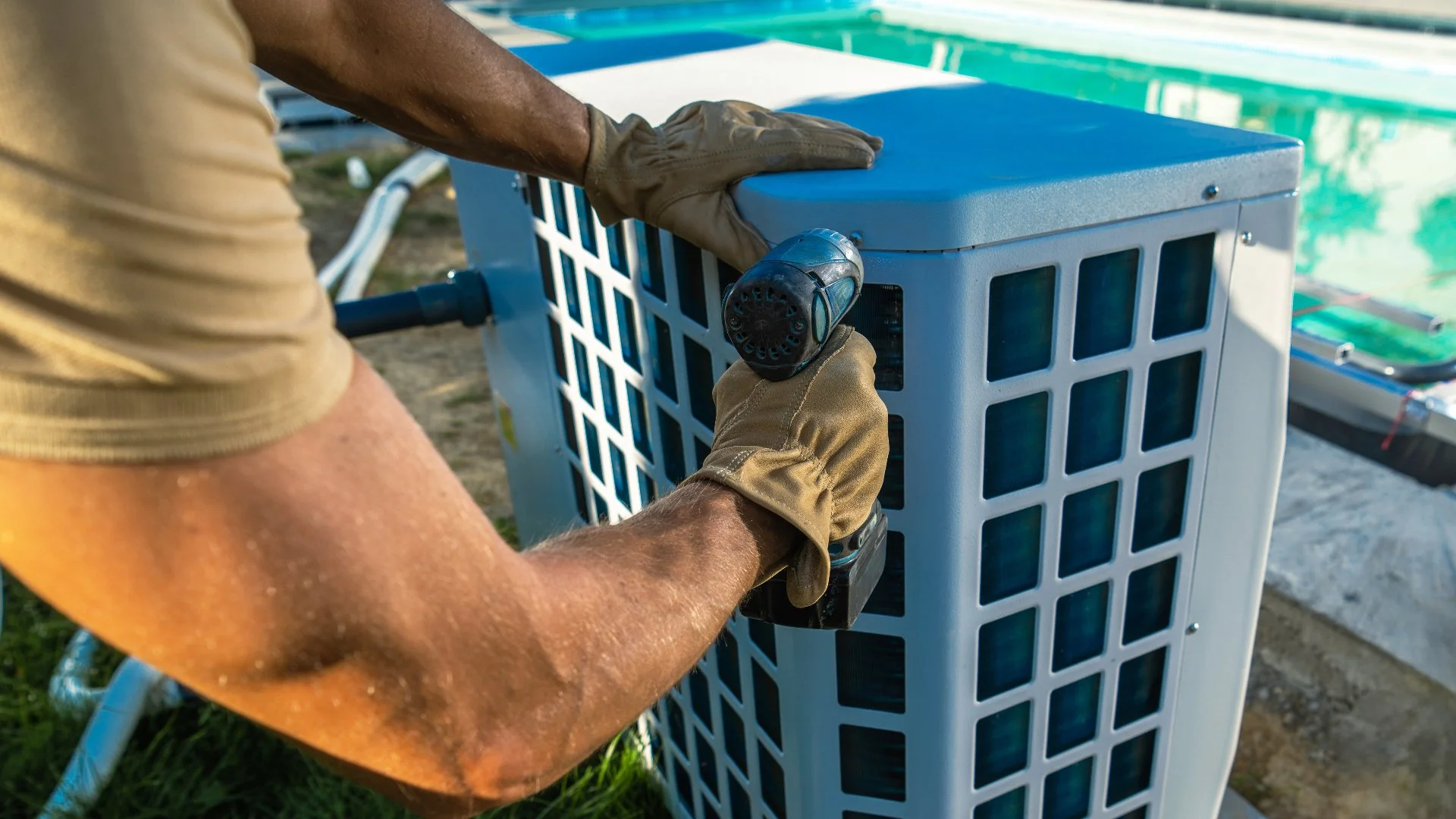
When it comes to choosing a pool heater for your pool in New York, there are three main options to consider: natural gas, propane, and electric heaters. Each option has its own pros and cons, so it's important to weigh them carefully before making a decision. Natural gas heaters are known for their quick heating capabilities and lower upfront costs, but they can be less eco-friendly and have higher long-term costs. Propane heaters offer similar benefits to natural gas heaters but require propane tanks that need to be refilled. Electric heaters are more energy-efficient and have lower long-term costs, but they can take longer to heat the pool and may have higher upfront costs. Ultimately, the best option for your pool heater will depend on your budget, environmental impact preferences, climate, usage, and maintenance tolerance.
What are the pros and cons of natural gas pool heaters?
Natural gas pool heaters are known for their ability to heat pools quickly, making them a popular choice for pool owners who want fast results. They can be connected to your main gas line, providing a continuous fuel source without the need for refills. Natural gas heaters also tend to have a lower upfront cost compared to electric heaters.
However, there are some downsides to natural gas pool heaters. They are less energy-efficient than electric heaters and rely on fossil fuels to operate. While they heat quickly, the rate of heating is moderate and depends on pool size and conditions.
What are the pros and cons of propane pool heaters?
Propane pool heaters operate similarly to natural gas heaters, providing fast and efficient heating for your pool. They are useful in areas where natural gas is unavailable, making them a flexible option for rural locations. Propane heaters are generally not too costly upfront.
The downsides of propane pool heaters include the need for a separate propane tank, which requires monitoring and refills. They also have higher operating costs than electric heaters because they rely on fossil fuels. While they heat quickly, the actual rate of heating varies depending on pool size and conditions.
What are the pros and cons of electric pool heaters?
Electric pool heaters, or heat pumps, are popular due to their energy efficiency and lower long-term operating costs. They are environmentally friendly, as they do not rely directly on fossil fuels. Electric heaters also tend to be durable and require less frequent replacement than gas or propane heaters.
However, electric pool heaters generally heat water more slowly than gas or propane units, so it can take longer to reach the desired temperature. They also have a higher upfront cost and may be less efficient in colder climates, where air temperatures are low.
Which pool heater is better: natural gas, propane, or electric?
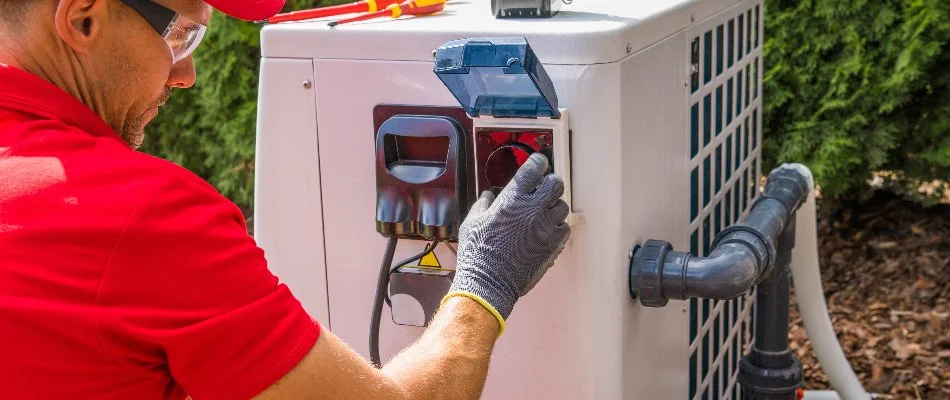
When it comes to choosing a pool heater, there is no one-size-fits-all solution. Each type of heater has its own benefits and drawbacks, and the best option for your pool will depend on a variety of factors. You’ll want to consider things like upfront and long-term costs, environmental impact, how quickly the heater warms your pool, how often you plan to use the pool, and the level of maintenance you’re comfortable with. By weighing these considerations, you can select a pool heater that meets your needs and keeps your pool comfortable and enjoyable throughout the swimming season.
Call us today to schedule our pool heater installation service.
If you're looking to have a pool heater installed on your property, we are the company to call. At Elite Pools, we can install natural gas, propane, or electric pool heaters to meet your specific needs and preferences. We offer our pool heater installation service to property owners in Bridgehampton, NY, and surrounding areas like Sag Harbor and East Hampton. Give us a call today at (631) 537-5055 to schedule our pool heater installation service and start enjoying your pool all year round!

Comments (0)
Thanks for your comment!
Thanks for your feedback! Your comments have been successfully submitted! Please note, all comments require admin approval prior to display.
Error submitting comment!
There is a problem with your comment, please see below and try again.