
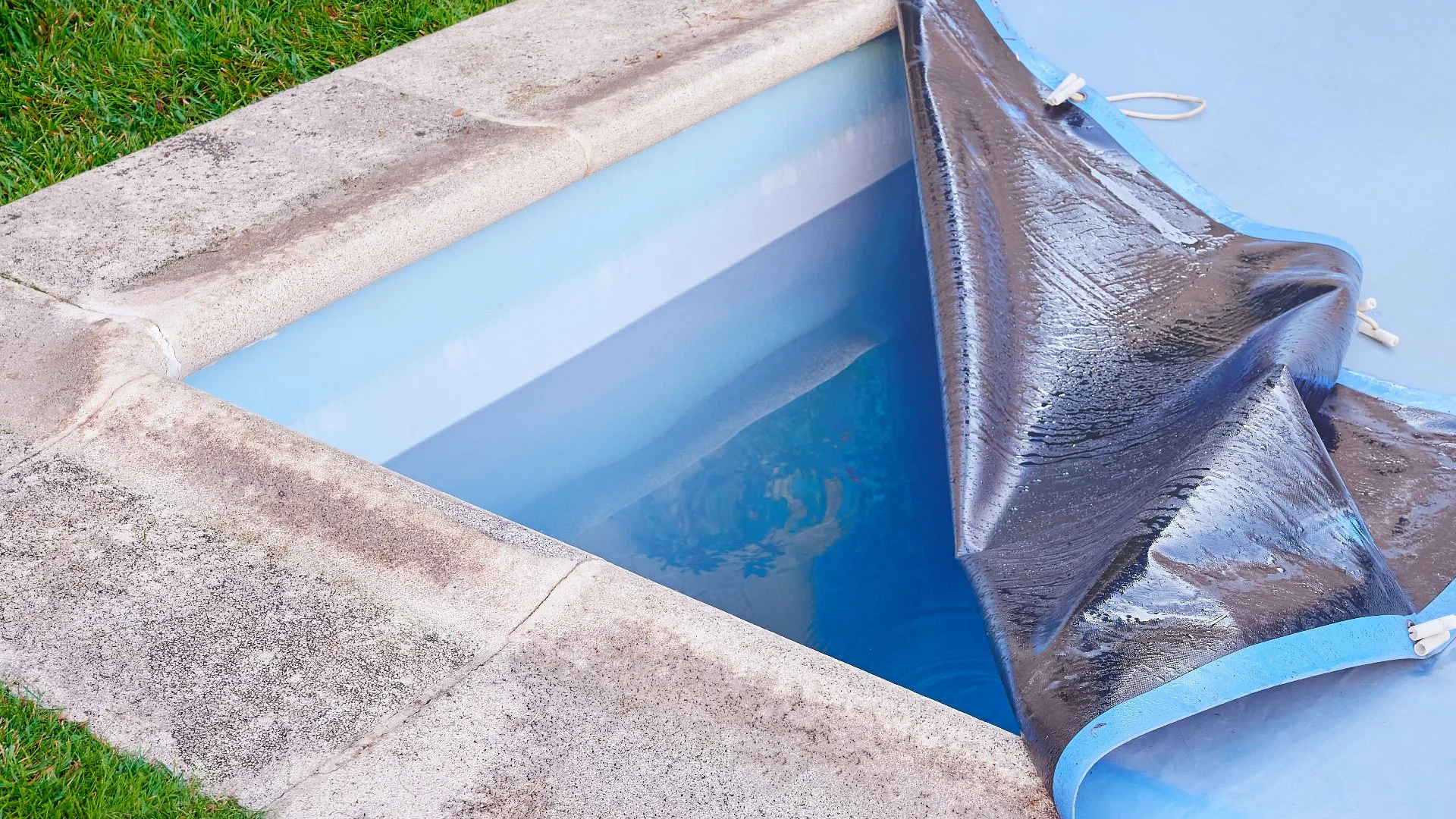
As winter approaches, closing your pool in New York becomes essential to avoid potential problems. Failing to winterize can lead to serious freeze damage, as water in pipes and equipment may expand and crack, resulting in costly repairs. Additionally, leaving the pool open allows algae and bacteria to thrive, turning the water green and potentially causing health risks. An uncovered pool also accumulates debris like leaves and dirt, creating a messy cleanup come spring. Properly closing your pool prevents these issues, maintains water quality, and protects your investment, ensuring it's ready for use when warm weather returns.
Freeze Damage Could Occur If You Don't Close Your Pool for Winter
In regions experiencing freezing temperatures, not closing your pool can lead to severe damage. Water remaining in the pipes, filters, and other pool equipment is at risk of freezing. When water freezes, it expands, which can cause pipes to crack, damaging filters and pumps. This expansion isn’t just limited to equipment; it can also impact the pool’s structure itself.
Ignoring the risk of freeze damage can result in costly repairs or even the replacement of essential pool components. The structural integrity of the pool may be compromised, leading to more extensive problems. Winterizing your pool by draining water from these systems helps prevent such scenarios, safeguarding your investment from the harsh winter elements.
Not closing your pool for winter can lead to algae and bacterial growth.
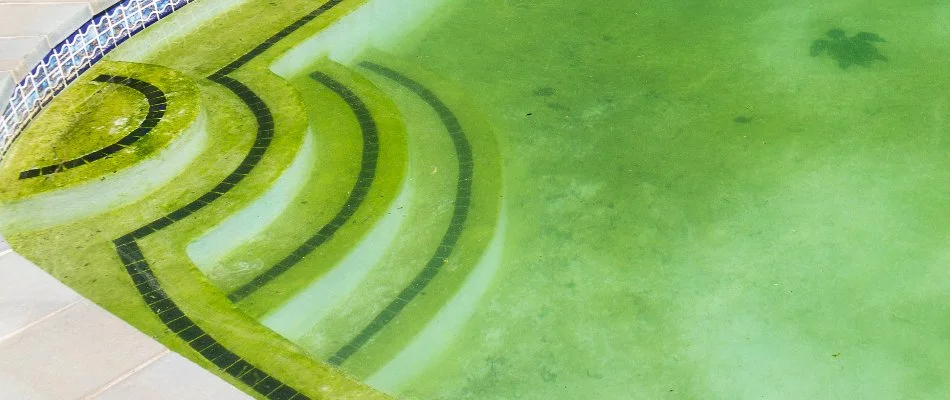
Another consequence of neglecting to close your pool for the winter is the unchecked growth of algae and bacteria. Without the proper balance of chemicals and circulation that occurs during the swimming season, stagnant pool water becomes a breeding ground for these organisms. Algae growth can turn your pool water green and murky, not only making it unsightly but also potentially unhealthy.
Bacterial growth poses health risks to swimmers, as certain bacteria can cause skin irritations or infections. Winterizing your pool with the appropriate chemicals keeps these unwanted visitors at bay, maintaining the water in a safer state throughout the offseason. It ensures that when spring arrives, your pool is closer to being swim-ready, requiring less effort to reopen.
Debris can build up when your pool is not closed for winter.
An uncovered pool is also vulnerable to significant debris buildup during the winter. Leaves, dirt, twigs, and other debris can easily accumulate in an open pool, leading to a mucky mess that will demand attention in the spring. This buildup not only makes the water dirty but can also clog filters and skimmers, making the cleaning process more arduous.
Dealing with debris after a long winter can be both time-consuming and labor-intensive. By contrast, placing a cover over the pool during winter keeps out most debris, preserving water quality and equipment function. Closing your pool properly spares you considerable work and ensures a quicker transition back to enjoying your pool when the season changes.
Call our professionals today to sign up for our pool closing service!
While it may be tempting to skip the task of closing your pool for the winter, doing so can lead to a host of problems, including freeze damage, algae and bacterial growth, and debris buildup. Properly winterizing your pool is essential to protect your investment, and this is where we come in to help. Here at Elite Pools, we offer a pool closing service that follows a structured process to ensure your pool is properly closed and winterized. This process includes everything from turning off the water supply to securing the cover of your pool to keep debris out.
Our pool closing service is available to homeowners in Bridgehampton, Sag Harbor, East Hampton, NY, and nearby communities. Call us at (631) 537-5055 to sign up!

Comments (0)
Thanks for your comment!
Thanks for your feedback! Your comments have been successfully submitted! Please note, all comments require admin approval prior to display.
Error submitting comment!
There is a problem with your comment, please see below and try again.