
Opening your pool in New York is an exciting time, but it's important to ensure that it's clean and safe for swimming. When opening your pool, you’ll typically start by shocking the water to sanitize it, using chlorine or a non-chlorine oxidizer to eliminate bacteria and contaminants. Ensure even circulation by running the pump for several hours and testing chlorine levels before swimming. Next, pH and alkalinity adjusters are typically used to maintain water balance, keeping pH between 7.2 and 7.8 and alkalinity between 80-120 ppm. This enhances chlorine effectiveness and prevents damage. Finally, applying algaecide is a common step to prevent algae growth, offering a secondary defense against algae blooms. These steps usually ensure a safe, clear, and inviting pool for the swim season.
Shock the water to sanitize it during a pool opening.
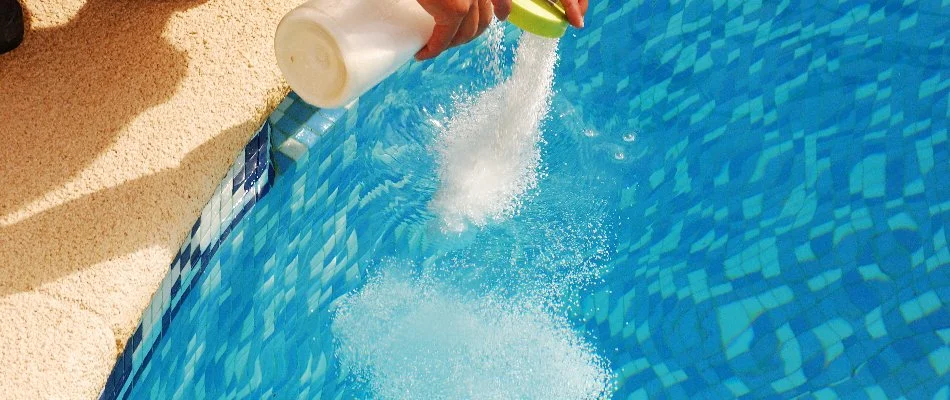
The first step in preparing your pool for the season is to sanitize the water, and the most effective way to do this is by using a pool shock treatment. Shocking the pool involves adding a high dose of chlorine or a non-chlorine oxidizer to eliminate bacteria, contaminants, and other organic matter that may have accumulated during the off-season. This process restores clarity to the water and ensures it is safe for swimming.
Typically, pool shock treatments are done at night, allowing the chemicals to work effectively without being broken down by sunlight. It's essential to let the pump run for several hours to circulate the shock evenly throughout the pool. Before swimming, test the water to ensure that chlorine levels have returned to a safe range.
Add pH and alkalinity adjusters to balance the water when opening it.
Pool opening also typically includes applying pH and alkalinity adjusters to maintain clear and comfortable swimming water. The pH level should be between 7.2 and 7.8, ensuring the water is neither too acidic nor too basic, which can cause damage to the pool surfaces and irritation to swimmers. Total alkalinity, which acts as a buffer for pH levels, should be adjusted to fall within a range of 80-120 ppm. Using these adjusters is essential to maintain the chemical balance, enhancing the effectiveness of chlorine and preventing scaling or corrosion. Regular testing helps ensure that these levels remain stable, allowing swimmers to enjoy a comfortable and safe experience. Adjusting pH and alkalinity also contributes to the longevity of your pool's surfaces and equipment.
Pool opening typically includes using an algaecide to prevent algae growth.
No one wants to swim in a pool overrun with algae. To prevent an algae bloom from taking over, it's wise to add an algaecide when opening your pool. Algaecide is a preventative treatment that targets algae spores before they can grow, ensuring your pool stays clear and clean. While shocking the pool can eliminate existing algae, algaecide works as a secondary layer of defense, particularly in preventing green, black, or mustard algae. It's crucial to follow the recommended dosage to avoid foaming or other unwanted side effects. By incorporating algaecide into your pool-opening routine, you can enjoy a worry-free swim season with crystal-clear water.
Call us today to schedule our pool opening service!
If you're looking for a reliable and professional pool opening service, look no further than our team at Elite Pools. Our team of experts will handle everything from removing the cover to balancing the chemicals in your pool. We'll make sure your pool is clean, safe, and ready for use so you can enjoy it all summer long. Don't let the hassle of opening your pool stress you out - let us take care of it for you.
We offer our pool opening service to homeowners located in Bridgehampton, Sag Harbor, East Hampton, and throughout the surrounding areas in New York. Give us a call at (631) 537-5055 to schedule this service today!

Comments (0)
Thanks for your comment!
Thanks for your feedback! Your comments have been successfully submitted! Please note, all comments require admin approval prior to display.
Error submitting comment!
There is a problem with your comment, please see below and try again.